

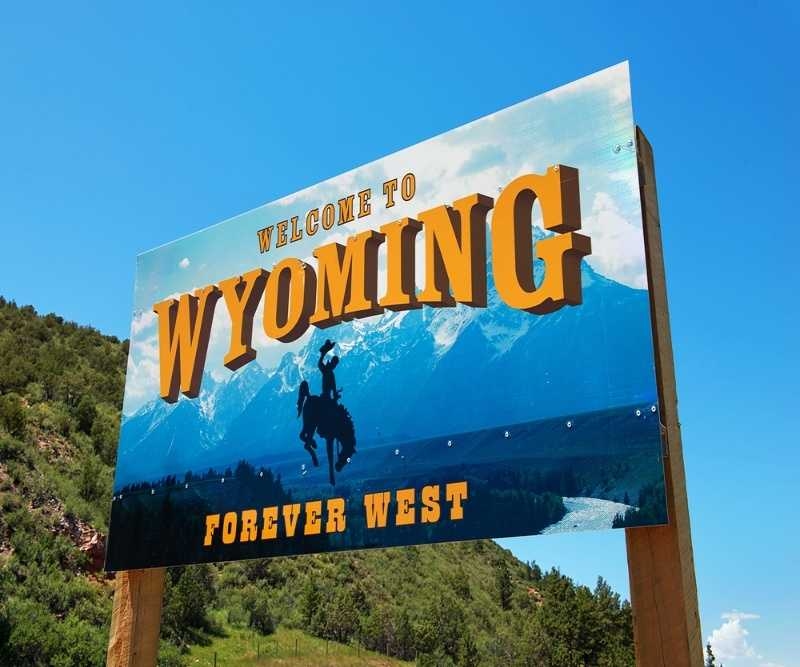
Wyoming natural attractions are very popular because of their wildlife and mountain views. This attracts thousands of visitors every year. You will observe that these places show the real beauty of nature and allow travelers to explore peaceful outdoor environments.
This blog will help you with a list of the 5 best Wyoming natural attractions that attract travelers, and provide some practical tips to visit these places.
Must Read: Grand Prismatic Spring Beauty in Yellowstone, Wyoming
The nature in Wyoming is expansive and untouched, and it is this quality that attracts people with its open and peaceful spaces. The landscape is expansive, beyond what the eye can see, and peaceful, even with the presence of a large number of people.
The Wyoming natural attractions are simple yet powerful. Large valleys, high mountains, and expansive plains offer a view that is hard to find anywhere else.
The variety in the natural scenery is also noteworthy. While some areas may offer a combination of rocky ridges and lakes, others may offer deep canyons and expansive forests. This variety ensures that the journey is always new.
The people who come to these natural scenery spots in Wyoming often talk about the unique feeling of peace that these locations offer. These locations are very different from the busy city hubs where people are always in a hurry.
Visitors entering by air often want to immerse themselves in nature as soon as possible. Visiting attractions near Wyoming airports can help facilitate that. However, a few practical considerations ensure that the trip is as smooth as possible.
Wyoming's distances may appear short on a map; however, they require careful planning. Natural areas are often dispersed over a wide area of land.
Road conditions vary depending on the area. Some areas are along mountain roads or rural routes that require careful driving.
The weather is another potential curveball that could be thrown into a trip. In mountain areas, temperatures can fluctuate quickly, especially at dawn and dusk.
Essentials to bring along are important. Water, a few light snacks, and comfortable walking shoes are a must. Many areas are along short walks or sections of trails.
Wyoming is home to several natural landmarks that continue to attract travelers from different parts of the world. These places represent the most admired landscapes in the region.
Yellowstone National Park remains one of the most famous national parks in North America. People mostly visit this place to see the wide valleys and wildlife areas. The park includes geysers, colorful hot springs, rivers, and forest landscapes.
Grand Teton National Park is known for its sharp mountain peaks and clear alpine lakes. The mountains rise suddenly above the valley floor, creating a dramatic natural scene. Visitors often spend time hiking and photographing the landscape.
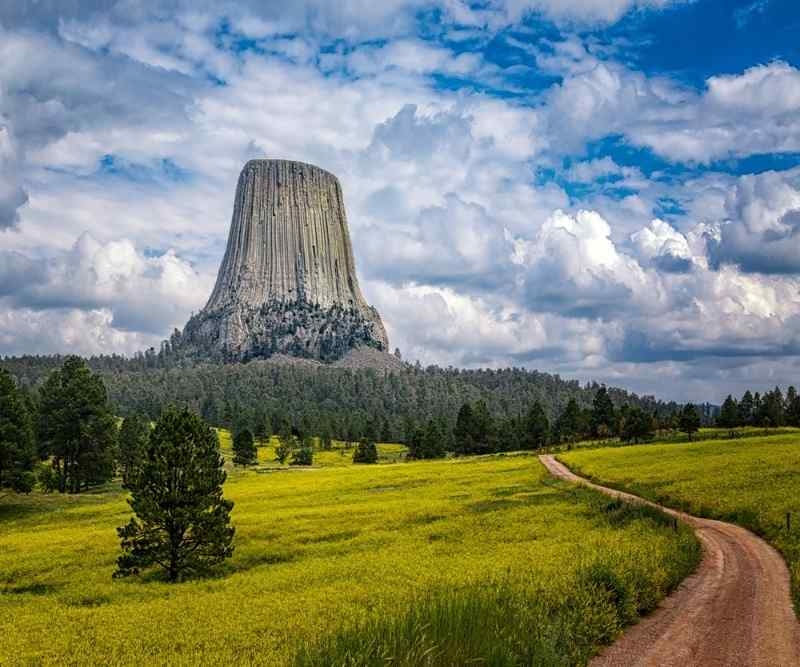
Devils Tower is one of the most striking rock formations in the country. It towers over the flat plains, visible from a distance. There is a circular path around the formation that allows people to observe the formation from different perspectives.
Bighorn Canyon presents deep canyon landscapes combined with a large reservoir surrounded by cliffs. The scenery feels calm yet powerful at the same time. Visitors can enjoy boating and enjoy wildlife.
Hot Springs State Park attracts visitors because of the hot springs that bubble through the colorful formations. Steam rises from the mineral water, creating a striking landscape. There are safe viewing areas for people to observe the formations.
Top Pick: Premium Wyoming Seasonal Travel Tips for Every Season
Wyoming invites you to explore its peaceful and wide-open spaces and enjoy the beauty hidden away. Wyoming's landscape is expansive and peaceful, with a lot of space wonderfully removed from the hustle and bustle of city life. Hiking trails crisscross Wyoming, with trails through the woods, valleys, and mountain ridges waiting to surprise you with new wonders around every bend.
Wildlife enthusiasts are also drawn to this place, as elk, deer, and bison migrate through their natural routes, which sometimes run along the trails. Photographers are rewarded by the constant changes in light that dance across the land from dawn till dusk, casting different hues of beauty across the mountains, rivers, and lakes.
Planning a trip to Wyoming becomes easier with a basic understanding of the region. This Wyoming nature travel guide offers helpful insights for travelers who want to explore the state’s landscapes.
The distance between two places is an important factor. Since natural sites are far apart, the time it takes to get there is essential.
The seasons play a role in what one can plan. Spring and summer have good weather for a hike or adventure.
Autumn is another good time to plan a visit because the leaves change colors and warm the mountains and valleys.
Finding the best nature spots in Wyoming does not always require complicated research. A few simple approaches often lead travelers to incredible landscapes.
National parks and recreation areas often contain the most iconic landscapes in the state. Many travelers searching for the best nature spots in Wyoming begin by exploring these well-protected areas where natural beauty is preserved carefully.
Scenic drives reveal some of the most beautiful landscapes in Wyoming. Travelers moving along these routes often encounter forests, rivers, and wide valleys. These routes allow visitors to experience nature gradually while traveling between towns and parks.
Some of the most peaceful landscapes appear away from heavily visited tourist areas. Exploring quieter regions often leads travelers to discover hidden valleys, lakes, and forest trails that many visitors overlook.
Visitors planning to explore Wyoming outdoor attractions should keep a few simple travel tips in mind.
Wyoming natural attractions continue to draw visitors who appreciate peaceful landscapes and outdoor exploration. From national parks to forest valleys, the region offers a wide range of natural experiences. Travelers who plan carefully often discover that Wyoming provides some of the most memorable nature journeys.
At Sinks Canyon State Park near Lander, the Middle Fork of the Popo Agie River flows into a cavern formed in Madison Limestone and completely vanishes underground. The water trickles through an extensive underground karst aquifer before resurfacing two hours later at "The Rise"—a calm, deep pool located a quarter-mile downstream that holds giant trout. Dye testing conducted by geologists revealed that more water emerges from The Rise than enters The Sinks, proving additional underground streams feed the system.
Native cutthroat trout—including the Yellowstone, Snake River, and Bonneville subspecies—serve as critical indicator species for aquatic ecosystem health across Wyoming's river basins. They provide a primary food source for native predators such as grizzly bears, river otters, and bald eagles. State conservation hatcheries and wildlife agencies enforce selective catch-and-release fishing regulations and habitat restoration initiatives to protect pure genetic populations from invasive non-native trout competition.
Hell's Half Acre in Natrona County encompasses a 960-acre ravine filled with eroded sandstone spires, deep ravines, and colorful badland strata. These exposed sedimentary layers date back over 50 million years to the Eocene epoch, preserving ancient plant fossils and mammalian remains formed when central Wyoming was a warm, subtropical floodplain. The distinct bands of red, orange, and white rock illustrate shifting climate cycles and tectonic uplift events that sculpted the Rocky Mountain region.
During extreme winter cold snaps, when ambient air temperatures drop well below zero degrees, massive steam plumes rising from hot springs and geysers condense instantly upon contact with frigid air. This rapid thermodynamic reaction creates dense, bright white vertical steam pillars that can tower hundreds of feet into the sky. The stark contrast between freezing air and 150°F geothermal discharge makes winter one of the most visually striking times to view Yellowstone's geyser basins.
Wyoming's Red Desert contains one of the longest land mammal migration corridors in North America, stretching over 150 miles between winter desert ranges and summer alpine pastures in the Wind River Range. Thousands of pronghorn and mule deer travel along narrow bottlenecks defined by dunes, badlands, and mountain passes twice a year. Federal and state conservation agencies manage these public desert lands by installing wildlife-friendly fencing and establishing highway overpasses to safeguard seasonal migration routes.
This content was created by AI