

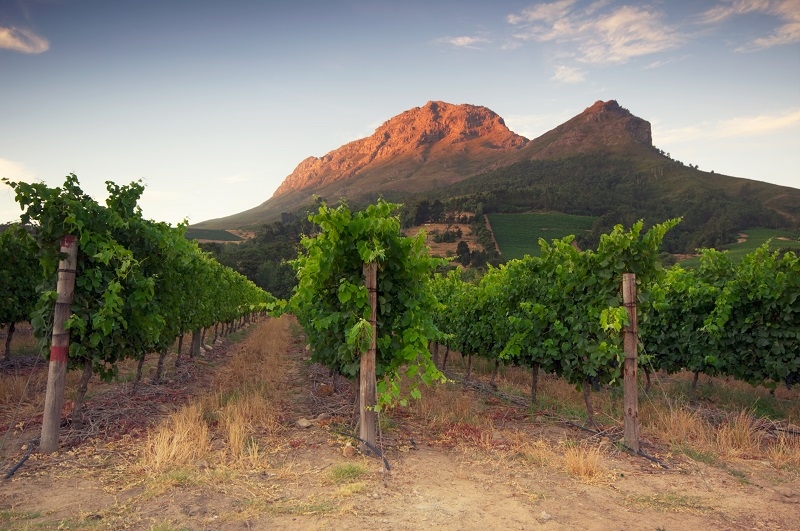
While Wyoming might be better known for its wide-open spaces and rugged mountain ranges, it is also a quietly emerging destination for wine lovers. For example, as you'll see on Table Mountain Winery Wyoming, the plain's sun-drenched landscape is the perfect venue for sipping wines, and before you say Wyoming wine, don't forget about the Jackson Hole Wyoming winery tours! Regardless if you are a master sommelier or just an average drinker, this Wyoming winery's essential list that we've created for you will help guide you on where to drink the best wines in the Cowboy State. You will also learn about other hidden gems like Weston wineries in Wyoming and family-run vineyards that are leading the wine-making revolution in the West.
Know More: 10 Best Wyoming Climbing Spots for an Epic Adventure
Let’s explore the top wineries in Wyoming that are putting this state on the national wine map.
Situated close to Huntley, Table Mountain Winery, Wyoming, is a leader in the winemaking history of the state. It's not only the oldest Wyoming winery but one of the most established as well. The Schultz family, who own and work at the vineyard, started growing grapes on their property back in the early 2000s.
What sets this Wyoming winery apart is its commitment to cultivating cold-hardy grapes such as Frontenac, Marquette, and Valiant—cultivars that flourish in spite of the state's rugged winters. The outcome? Full-bodied, fruit-driven wines with an unmistakable Wyoming signature. Their flagship Wyoming Red and High Plains White are favourites among locals and travellers alike.
When you join us at Table Mountain Winery Wyoming, you can expect your friendly hosts to greet you, offer personalised tastings, and provide stunning views of the high plains, plus, we allow our involvement in events and festivals to add colour to your Wyoming winery experience.
Set in the posh environment of Jackson, the Jackson Hole, Wyoming, wine scene is a mixture of style and rusticism. While not a wine region, Jackson Hole has embraced the upscale wine culture consisting of small-batch tasting rooms and elevated wine bars that showcase regional and local wines.
The Jackson Hole Winery, for example, is one of the region's premier producers. It produces small-batch wines from vineyards in the Sonoma and Napa Valleys of California and ages and bottles them at high elevation—above 6,000 feet above sea level. The site-specific circumstances facilitate a slower fermentation that lends a complexity to both their reds and whites.
From Pinot Noir to Syrah, each bespoke wine exhibits the particular mountain climate found in Jackson Hole. The tasting room itself provides an elegant and intimate space for tasting as well as extraordinary views of the surrounding Tetons.
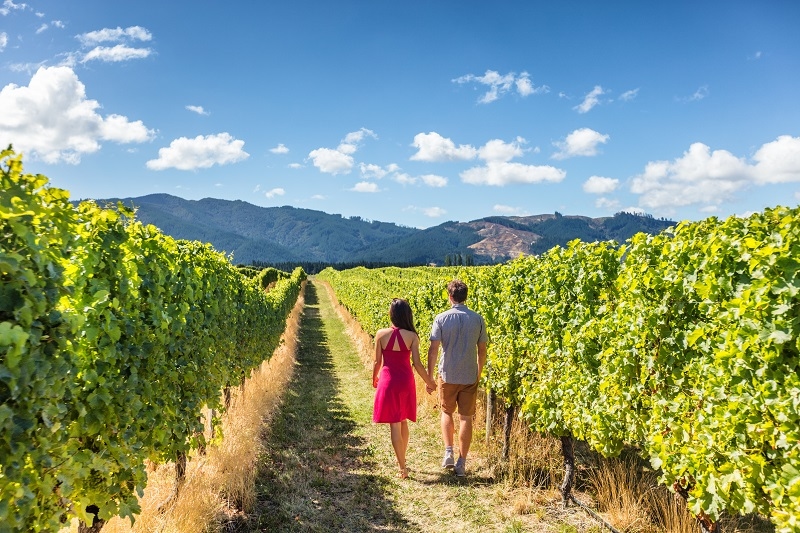
The tiny town of Weston in eastern Wyoming is not necessarily the first location that springs to mind when wine is mentioned, but it has some excellent boutique Wyoming wineries that are worth a visit. These Weston wineries in Wyoming have a rural, homegrown appeal that captures the pioneering ethos of local winemakers.
The majority of Weston wineries in Wyoming specialise in craftsmanship and sustainability. There won't be behemoth commercial centres here. You will find earnest vintners trying out indigenous fruits and locally grown grapes to create small batches, limited production that you would not get elsewhere.
These Weston, Wyoming, wineries offer a rugged experience—coffee-shop-style tasting rooms, friendly hosts, complimentary samples of fruit wines like chokecherry and elderberry and sometimes, wine-and-cheese, live music, and a seasonal festival.
Laramie County, where Cheyenne, the Wyoming capital, is located, is proving to be a potential site for new Wyoming wineries. Although the climate presents obstacles to conventional grape cultivation, innovative winemakers have discovered that greenhouses, cold-hardy hybrids, and new fermentation methods can be used to great advantage.
One of the newer players in this arena is Pine Bluffs Distilling, which has recently diversified its drink portfolio to include wine. Their philosophy blends local ingredients with artisanal techniques, producing wines that capture Wyoming's pioneering spirit. Although technically better known for spirits, they've left a big impression on the Wyoming winery scene with their small-batch wine releases.
Local wine clubs and co-ops in Laramie County have also generated interest in food pairings and wine tasting events, introducing a social, communal atmosphere to the Wyoming wineries experience.
Planning a wine tour across wineries in Wyoming offers a chance to combine rustic adventure with upscale indulgence. Here are some pro tips to enhance your experience:
From Wyoming's Table Mountain Winery to a high-end Jackson Hole Wyoming winery, each one offers a distinct taste of the state's entre and terroir. Discovering the diversity and richness of Wyoming wineries will leave you not just impressed but wanting to come back.
You May Like This: Hidden Gems in Wyoming: Attractions Off the Beaten Path
As climate conditions change and winemaking methods become more flexible, the future for Wyoming wineries is rosy. The synergy of local pride, agricultural ingenuity, and increasing tourism is propelling this unassuming wine region into the limelight.
Look for increasingly more alliances with local farmers, investments in sustainability, and alternative varieties adapted to the Wyoming climate. Already, tour visits to Wyoming wineries have become a tradition of local travel—bringing out everyone from hobby weekend travelers to wine professionals.
For anyone willing to venture onto a new American wine frontier, the adventure starts with a glass in hand—and there's no better place to hold that glass than at the Wyoming wineries featured here.
In a state renowned for its national parks and cowboy ways, learning the art of wine enhances your travel experience with one more depth. From tasting estate vines at Table Mountain Winery, Wyoming, to sipping at an elegant Jackson Hole, Wyoming, winery; visiting unheralded Weston wineries, Wyoming; or finding innovation in Laramie County, Wyoming's wineries contain a fascinating combination of tradition and innovation.
The next time you're organising a mountain getaway or a prairie road trip, schedule time to sip & savour what Wyoming wineries have in store for you. You might discover your new favorite bottle—and a greater appreciation for the state's changing identity.
High-elevation environments feature lower atmospheric pressure and decreased oxygen density, which accelerates evaporation rates through oak barrels and alters yeast metabolism during fermentation. Winemakers adjust fermentation temperatures and monitoring protocols to maintain proper sugar conversion, balance alcohol yields, and preserve delicate fruit aromatics in cold-climate varietals.
Wyoming grape growers often implement modified high four-cane or top wire cordon trellising systems to elevate cold-hardy vine canopies and optimise sunlight exposure. These structural trellises reinforce vine stems against high winds, facilitate efficient air circulation to minimize fungal growth, and allow installation of protective hail netting over fragile grape clusters during severe weather events.
Wyoming operates under specific direct-to-consumer shipment regulations that require out-of-state and domestic wineries to hold a valid Out-of-State Shipper's License from the Wyoming Liquor Division. Licensed wineries are subject to annual direct-shipment volume caps per adult consumer, mandatory age-verification delivery procedures, and state excise tax reporting guidelines.
Cold-hardy hybrid grapes naturally retain higher acidity levels due to shorter, cooler growing seasons across high-altitude regions. Sommeliers recommend pairing high-acid Wyoming wines—such as Frontenac Gris or La Crescent—with rich, fatty dishes like local bison burgers, aged sharp cheeses, cream-based pasta dishes, or savory roasted game to balance tartness and elevate flavor profiles.
To survive sudden freeze events and sub-zero winter temperatures, many local vineyard managers practice hilling-up soil around graft unions or utilizing geotextile thermal covers over dormant vines. Late-spring bud break management involves applying micro-sprinklers or wind machines on cold nights to form protective ice barriers or circulate warm air layers, preventing frost damage to fragile emerging buds.
This content was created by AI