

There’s something magical about seeing a wild animal in its natural habitat. And not just through a car window or behind a fence. I’m talking about those goosebumps moments—when you spot a moose wading through a river, or you lock eyes with a bison from a safe distance and think, “Wow… that thing could pancake me.”
If you’ve ever felt that rush, you already know: Wyoming wildlife isn’t just a backdrop. It’s the main event.
From sprawling plains to alpine peaks, this state is basically nature’s VIP lounge. Elk, bears, bighorn sheep, pronghorns, eagles—you name it, they’re here. Whether you're an amateur wildlife photographer or just someone who gets excited spotting a squirrel, this guide’s for you.
We’ve rounded up the 10 best places to see Wyoming wildlife, including some lesser-known gems and one ridiculously gorgeous national wildlife refuge in Wyoming that’s worth the drive (yes, even with kids asking “are we there yet?” every 12 minutes).
So grab your camera, pack a granola bar (or five), and let’s hit the wild side of Wyoming.
Okay, yes—it’s a bit obvious. But come on, you can’t talk Wyoming wildlife without starting here.
Yellowstone isn’t just geysers and dramatic landscapes (though it has those in spades). It’s home to the largest concentration of mammals in the lower 48.
Expect to see:
Grizzlies (from afar, please) Black bears Wolves (early morning or dusk = best chance) Elk, bison, and bighorn sheep Otters, bald eagles, and the occasional moose Tip: Hayden Valley and Lamar Valley are absolute hot spots for spotting wildlife. Bring a thermos and post up—you’ll thank us later.
Just south of Yellowstone, Grand Teton is the moody, rugged cousin that doesn’t get nearly enough love.
Want moose? You’ve got a great shot here—especially around Oxbow Bend, Schwabacher’s Landing, and Willow Flats.
Also look for:
Bears in the spring and fall Coyotes trotting through meadows Trumpeter swans floating like royalty The dramatic backdrop of the Tetons makes every sighting feel cinematic.
Let’s talk hidden gems for a sec.
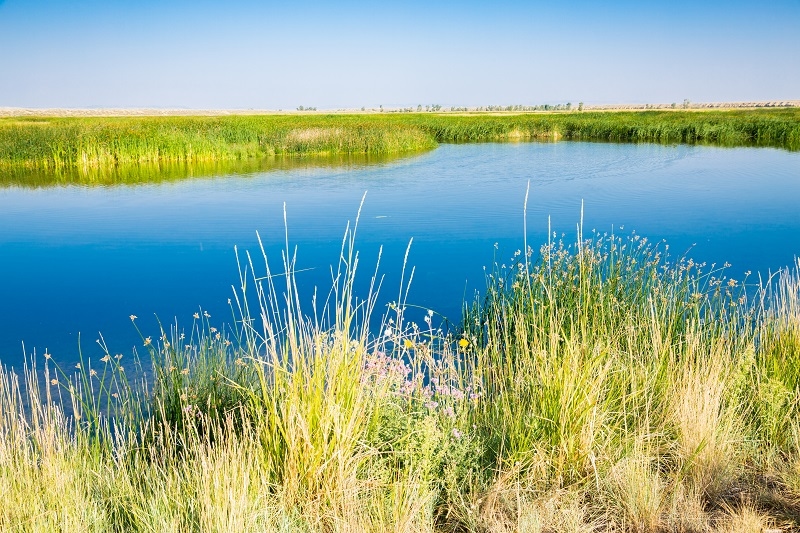
Tucked away in southwestern Wyoming near Green River, Seedskadee National Wildlife Refuge in Wyoming is one of those spots that makes you wonder, “How have I never heard of this before?”
This place is bird-lover heaven, but it’s also packed with:
Moose (tons of ‘em) Deer Porcupines Foxes Over 220 species of birds, including bald eagles and sandhill cranes The name might be a tongue-twister, but Seedskadee is peaceful, wild, and perfect for a slower-paced, more intimate wildlife experience.
When the snow hits and most tourists bail, something amazing happens just outside of Jackson.
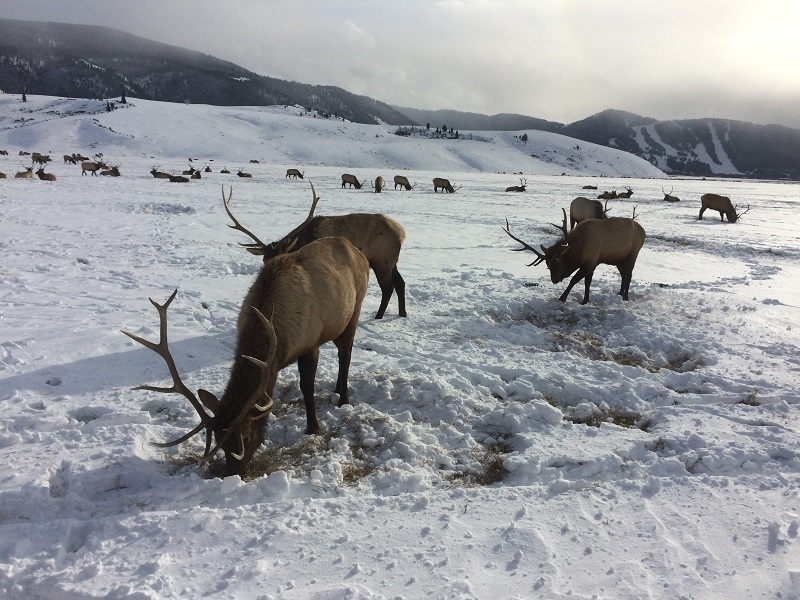
Thousands—and I mean thousands—of elk migrate into the National Elk Refuge, turning the landscape into a living, breathing herd.
Book a sleigh ride (yes, an actual horse-drawn sleigh) and get up close with these majestic creatures as they huddle in the snow-covered valley.
You might also spot:
Coyotes lurking nearby Eagles overhead Bison along the edge It’s a snowy safari, Wyoming-style.
Bighorn Canyon feels like one of those “if you know, you know” spots. Tucked near the Montana border, it’s a dramatic mix of cliffs, water, and wide-open space.
And it’s not just a looker—it’s loaded with Wyoming wildlife.
Keep your eyes peeled for:
Bighorn sheep (obviously) Wild horses Black bears Bobcats (they’re shy, but they’re there) Plus, the views from Devil Canyon Overlook? Unreal.
Read More: How to Refresh Your Mind & Body: Wellness Ideas in Wyoming
Okay, this one’s a bit different. You’re not spotting birds in the wild, but you are seeing rescued raptors up close—and supporting a seriously cool cause while you're at it.
Located in Wilson, just outside of Jackson, the Teton Raptor Center rehabilitates injured birds and educates the public.
Expect to meet:
Owls with soulful eyes Hawks that look straight through you Eagles that honestly deserve their own movie trailer Perfect if you’ve got kids (or let’s be honest, you’re a big kid who loves birds).
The Red Desert isn’t polished or postcard-perfect—but that’s kind of the point.
This high-elevation desert is home to one of the largest migratory pronghorn herds in North America. It’s remote, raw, and full of surprises.
Wildlife highlights include:
Pronghorns (of course) Wild horses galloping across dunes Burrowing owls popping up where you least expect Bring water. Bring snacks. And maybe a friend who doesn’t mind getting dust on their boots.
If you're in southeastern Wyoming, swing by the U.S. Fish and Wildlife Service office in Cheyenne. It’s the hub for wildlife refuge Wyoming areas—and it’ll give you insights, maps, and info about nearby hidden gems.
Think of it as your wildlife road trip pit stop.
From here, you can explore areas like:
Hutton Lake NWR (birdwatcher's dream) Bamforth NWR (small but mighty) Mortenson Lake NWR (endangered Wyoming toads—yep, that’s a thing) These aren’t tourist-heavy spots, but that’s what makes them awesome.
This one’s for the hikers and campers.
Medicine Bow feels like a choose-your-own-adventure storybook. Dense forest? Check. Alpine lakes? Check. Chance encounters with wildlife while drinking your morning coffee at camp? Double check.
Animals to look for:
Mule deer peeking through trees Elk crossing mountain meadows Pikas chirping in the rocks (adorable, loud, and very opinionated) Bonus: In fall, the aspens go full golden explosion mode.
This one’s less of a destination and more of a mindset.
In Wyoming, wildlife doesn’t always wait politely in parks. Sometimes it’s chilling on the side of a two-lane highway, casually crossing the road, or staring at your windshield like it’s challenging your entire existence.
Roadside sightings include:
Bison (who don't care about your Prius) Antelope running like they’re training for the Olympics Deer doing deer things—usually near dusk, so stay alert So yeah, sometimes the best Wyoming wildlife moment happens on your way to grab coffee. Keep your eyes up and your phone down.
From the famous valleys of Yellowstone to the peaceful paths of Seedskadee National Wildlife Refuge in Wyoming, the state is a haven for nature lovers and wanderers alike. Whether you're chasing bison, eagles, or the perfect shot, these top 10 spots offer unforgettable encounters with Wyoming wildlife in every corner of the state. Just don’t forget your binoculars—or your sense of awe.
Read More: Best Dog Sledding Adventures in Jackson Hole, Wyoming
Here’s the truth—Wyoming doesn’t do subtle. It gives you big skies, big spaces, and big creatures doing their thing like no one’s watching (even though we totally are).
Whether you're wandering the Tetons at sunrise, gliding through snow-covered elk herds, or walking the quiet paths at Seedskadee National Wildlife Refuge in Wyoming, one thing is clear: this place is wild in the best possible way.
It’s not about checking off animals from a list—it’s about the moments in between. The quiet. The wonder. The thrill of spotting something rare and remembering you’re just a visitor here.
Seasonal migrations force thousands of pronghorn, mule deer, and desert elk across major transportation routes like Interstate 80 and U.S. Highway 191 twice each year. The state mitigates highway collision risks by constructing dedicated wildlife overpasses, underpasses, and animal-detection fencing systems along high-density transit corridors to guide herds safely over high-speed traffic lanes.
Federal land management agencies strictly prohibit operating unmanned aircraft systems (drones) within national parks, national wildlife refuges, and designated wilderness areas to protect native fauna from stress. On open BLM lands, pilots must maintain significant vertical and horizontal buffers, avoiding direct overhead flights that disperse wild horse bands or cause nesting raptors like golden eagles to abandon active nests.
Commercial wildlife safari companies must secure official Commercial Use Authorizations (CUAs) directly through the National Park Service before offering paid excursions inside park boundaries. Permit compliance mandates that guide services meet strict insurance thresholds, complete wilderness first responder certifications, enforce Leave No Trace ethics, and adhere strictly to park wildlife distance regulations.
Spring runoff releases along the Green River flood seasonal wetlands, attracting massive flocks of nesting waterfowl, trumpeter swans, and migratory shorebirds to Seedskadee's lush riparian zone. As water levels drop into late summer, exposed mudflats and shallow river bends concentrate wading birds and raptors, creating prime spots for observers stationed along riverbank blinds.
Sudden high-altitude cold fronts, summer hail, and early snowfalls trigger immediate elevation shifts, pushing big game species like elk and mule deer down into forested ravines for thermal shelter. Wildlife watchers tracking mountain habitats adjust their strategy during rapid weather changes by scanning lower forest edges, willow flats, and protected canyon bottoms where animals gather to feed out of harsh winds.
This content was created by AI