

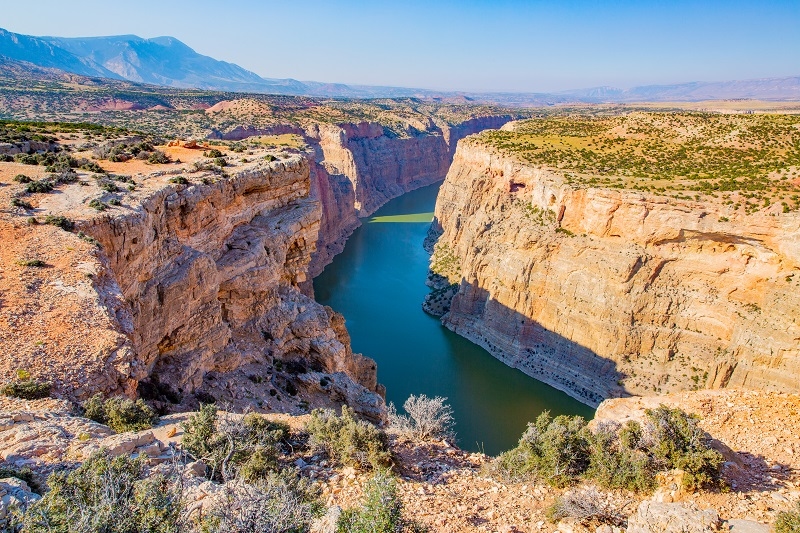
Bighorn Canyon National Recreation Area in Wyoming is a lesser-known treasure of the American West, providing breathtaking scenery, abundant wildlife, and an array of outdoor activities. Covering more than 120,000 acres, this natural wonder is an ideal destination for tourists who seek to discover the unspoiled beauty of nature. Whether one is interested in hiking, camping, fishing, or boating, Bighorn Canyon caters to everyone. In this guide, we will assist you in planning your trip, including vital information on tickets, hiking trails, and camping.
Situated between Montana and Wyoming, Bighorn Canyon National Recreation Area features dramatic red rock cliffs, crystal-clear waters, and a history spanning thousands of years. The Bighorn River created the canyon by cutting through massive cliffs, producing breathtaking scenery. The region also features the renowned Yellowtail Dam, which adds to the area's water sports.
Apart from its breathtaking natural scenery, Bighorn Canyon is rich in history, with archaeological sites, ranches, and Native American cultural importance. The region provides tourists with an opportunity to enjoy the wild nature while learning about its interesting history.
Bighorn Canyon National Recreation Area is accessible from both Wyoming and Montana, making it a convenient stop for travelers exploring the region. The drive to the park offers scenic routes with picturesque landscapes, enhancing the journey before you even reach the canyon itself. Whether you're coming from Wyoming or Montana, there are multiple ways to access this breathtaking destination.
Bighorn Canyon National Recreation Area has two main access points:
The closest major airport is Billings, Montana, which is a 90-minute drive from the north entrance. If you are traveling from Wyoming, the closest city is Cody, which is an hour from the south entrance. The ride from either place takes you through beautiful scenery, making the adventure even before you arrive at the recreation area.
One of the greatest things about a trip to Bighorn Canyon is that there is no admission fee! Unlike most other national parks and recreation areas, Bighorn Canyon does not cost anything to visit, making it an economical choice for outdoor enthusiasts. That being said, if you want to engage in activities such as boating or fishing, permits and fees might be charged.
For individuals who would like guided tours or educational activities, contact the visitor center to see if they are available and if there is a fee. The visitor centers are in Lovell, Wyoming, and Fort Smith, Montana, where you can get maps and brochures to assist with planning your trip.
Sullivan's Knob Trail is a brief but rewarding walk that provides some of the finest vistas of Bighorn Lake. The hike is only 0.8 miles round trip and a great option for families and beginners. The trail winds through rocky outcroppings, terminating at an overlook where you can view the stark contrast of deep blue water set against behemoth red rock cliffs. Along the way, you may see bighorn sheep grazing around. The convenience of this trail, along with its stunning views, makes it a place to visit for those looking for a quick excursion.
Cedar Hills Trail is approximately 2 miles round trip long, providing a moderate hike that leads visitors through a variety of natural scenery. The trail boasts its high biodiversity, with wildflowers that grow during the spring and summer months and present a splash of color against the rocky landscape. Birders will enjoy the numerous species that live within the area. The rolling hills make the trail accessible, but the beautiful views of the surrounding canyons and hills make it a memorable outdoor adventure.
For those looking for solitude, Medicine Creek Trail offers a serene retreat into Bighorn Canyon's remote wilderness. This 3-mile round-trip trail meanders through juniper and sagebrush forests, with chances to spot wildlife like mule deer and wild horses. The trail gently climbs to a viewpoint that reveals stunning canyon views. The mix of seclusion and natural scenery makes this hike a favorite of those who like off-the-beaten-path experiences.
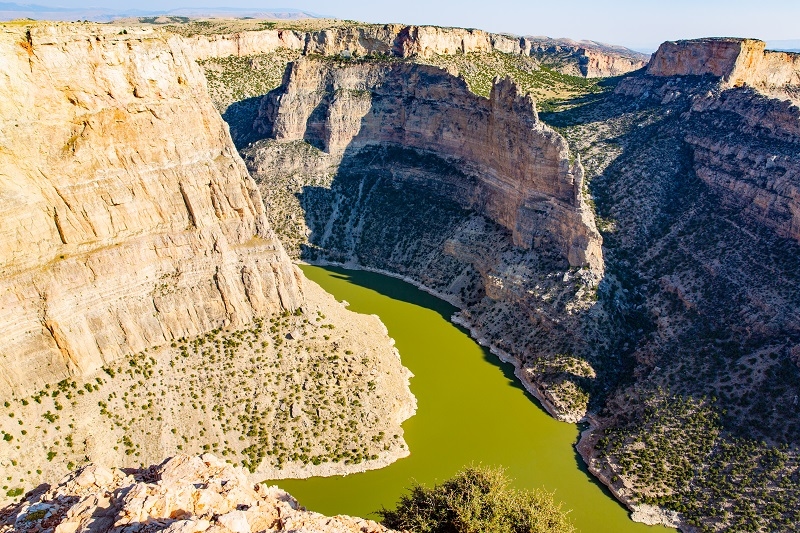
Horseshoe Bend Campground, in the South District of Wyoming, is a favorite among campers in Bighorn Canyon. With close proximity to hiking trails, fishing, and spectacular views of the reservoir, it's an ideal place for nature lovers. Picnic tables, fire rings, restrooms, and drinking water are available in the campground, making it a convenient choice for families. Whether you’re pitching a tent or bringing an RV, this campground provides a relaxing and scenic base for exploring the canyon’s natural wonders.
Located in the North District near Fort Smith, Montana, Afterbay Campground is perfect for those interested in fishing and boating. The nearby Afterbay Lake is a well-known spot for trout fishing, attracting anglers from all over. The campground has vault toilets, picnic tables, and a boat launch site, and is thus an easy option for water sports. Due to its serene environment and proximity to the river, Afterbay Campground is a perfect location for nature lovers who want to experience the peace of nature.
Trail Creek Campground is a remote and primitive campground, providing a true wilderness experience. Situated in the North District, this campsite is ideal for explorers looking for isolation and raw beauty. There are no contemporary facilities, so campers need to be self-sufficient with provisions. The lack of light pollution renders it an excellent spot for astronomy, and the surrounding terrain offers unlimited possibilities for discovery. For an off-grid camping experience, Trail Creek is the ideal destination.
Spring is characterized by pleasant temperatures and spectacular wildflowers, offering the perfect season for hiking and wildlife viewing. Most animals start being more active during this time, and it is an ideal time for nature photography. Bighorn Lake water levels are also best suited for boating during this time.
Summer provides warm temperatures, ideal for swimming, boating, and fishing. Temperatures can be hot, though, so early morning or late afternoon activities are best. Visitors must also be ready for the occasional thunderstorm.
Cooler temperatures and fewer tourists make fall the best time for scenic drives and photography. The changing leaves provide beautiful color contrasts to the canyon.
Winter offers a serene refuge with dramatic snowy scenery. While some trails will be closed, it's an excellent time for solitude and unusual photo opportunities.
Bighorn Canyon National Recreation Area in Wyoming is a fine combination of adventure, nature, and history. Whether you are trekking its scenic trails, camping in serenity, or gazing at the varied wildlife, this off-the-beaten-path destination has something for everyone. With scenery that takes one's breath away and numerous outdoor activities, it is a paradise for nature enthusiasts and adventure-seekers alike. Plan your trip carefully, observe safety precautions, and indulge in the marvels of Bighorn Canyon for a memorable experience.
All motorized and non-motorized watercraft entering Bighorn Canyon must undergo mandatory Aquatic Invasive Species (AIS) inspections prior to launching. State and national park inspectors verify that boats are thoroughly drained, cleaned, and dried to prevent the introduction of destructive quagga mussels, zebra mussels, and invasive aquatic plants into the lake's delicate freshwater ecosystem.
Because Bighorn Canyon spans both Wyoming and Montana, anglers must hold a valid fishing license corresponding to the specific state waters they are actively fishing. Fishermen navigating across state lines on Bighorn Lake must either purchase reciprocal state licensing endorsements or ensure they adhere strictly to the daily possession limits and regulations of the state boundary they occupy.
Reaching backcountry boat-in campgrounds like Black Canyon or Day Board 9 requires launching a watercraft from designated marinas at either end of the lake. These remote campsites operate on a first-come, first-served basis, featuring primitive amenities such as dock slips, vault toilets, bear-proof storage lockers, and fire rings, but visitors must pack in all drinking water and haul out waste.
Hiking high-elevation canyon rim trails during summer months exposes visitors to intense solar radiation, high ambient temperatures, and sudden localized thunderstorms. Outdoor enthusiasts should carry at least one gallon of water per person daily, wear broad-brimmed sun hats, apply high-SPF sunscreen, and plan long treks during cooler early morning hours to prevent heat exhaustion and dehydration.
Winter weather brings icy road conditions, freezing temperatures, and periodic snow closures along unpaved access roads and high-elevation scenic overlooks. While warmer lake sections may freeze to allow ice fishing, visitors traveling between November and April must monitor weather advisories, carry cold-weather emergency gear, and check park ranger reports regarding marina closures and road maintenance.
This content was created by AI